Court Order for Guardianship NSFAS

Applying for NSFAS can feel overwhelming, especially if you were raised by someone who is not your biological parent. Many students discover that they need a court order for guardianship NSFAS requires before their application can move forward. Without the correct legal documents, your application may be delayed or even rejected while NSFAS waits to verify your guardian’s information.
The good news is that getting the right documents is usually straightforward once you understand the process. Whether you were raised by a grandparent, aunt, uncle, foster parent, or another legal guardian, this guide explains everything you need to know. You will learn why NSFAS asks for a court order, where to obtain one, how to submit it correctly, and which additional forms your guardian must complete. By following these steps carefully, you can avoid common mistakes and give your application the best chance of being processed without unnecessary delays.
What Is a Court Order for Guardianship NSFAS?
A court order for guardianship NSFAS is an official legal document issued by a South African court that confirms a person has been appointed as your legal guardian. This document proves that the guardian has legal responsibility for your care and support. It is different from simply living with a family member or being financially supported by someone.
NSFAS requires applicants who are raised by a non-biological parent to upload official, court-issued proof of legal guardianship. This court order serves as legal verification of your dependency status and household income. Since NSFAS funding depends on financial circumstances, the organization needs legal proof showing who is responsible for you before assessing your application.
Why Does NSFAS Require a Court Order?
NSFAS provides financial assistance based on household income and the applicant’s family circumstances. When an applicant is not living with their biological parents, NSFAS must verify who the legal guardian is before calculating financial eligibility. A court-issued guardianship order provides this legal confirmation.
This process also protects both students and NSFAS from incorrect or fraudulent applications. Instead of relying on informal letters or personal statements, NSFAS accepts official legal documents issued by the court. Once the legal guardian is verified, NSFAS can assess the correct household income and continue processing the funding application.
Who Needs a Court Order for Guardianship?
Not every NSFAS applicant needs this document. It is mainly required for students whose legal guardian is someone other than their biological or adoptive parent.
You may need a court order if you were raised by:
- A grandparent
- An aunt or uncle
- An older sibling
- A foster parent
- Another court-appointed guardian
- Any non-biological parent with legal guardianship
However, simply living with a relative does not automatically make them your legal guardian. If no court has officially appointed them, you may need to apply for legal guardianship before submitting your NSFAS application. Get detailed information about Can NSFAS Fund You Twice?
How to Obtain a Court Order for Guardianship
Getting a guardianship order depends on your personal circumstances. Some students already have an existing court order, while others may need to apply for one before completing their NSFAS application.
Locate Your Existing Court Order
If you were placed with a foster parent or guardian through the state, your records may already exist. Contact your local Children’s Court, Magistrate’s Court, or your provincial Department of Social Development. They can help you retrieve copies of your guardianship records if the original document has been lost.
Before visiting the office, bring identification documents if possible. Having your case number or any previous court information will also make it easier for officials to locate your records.
Apply for Guardianship If None Exists
If formal guardianship was never established, a legal application must be submitted. Depending on your circumstances, this application is usually made through the Children’s Court or the High Court in the area where you live.
Most applicants receive assistance from a social worker or Legal Aid South Africa during this process. They help prepare the required documents, explain the legal requirements, and guide families through the court proceedings. Although processing times differ between courts, starting early is always recommended to avoid missing NSFAS deadlines.
How to Upload Your Court Order to NSFAS
Once you receive the official court order or temporary guardianship agreement, the next step is uploading it with your NSFAS application.
Follow these steps:
- Scan the court order clearly in color.
- Ensure every page is readable.
- Save the document as a PDF or another accepted file format.
- Log in to your NSFAS account.
- Open your application.
- Upload the document under the Guardian Details or Supporting Documents section.
- Review the upload before submitting your application.
Blurry scans, cropped pages, or incomplete documents can slow down the verification process. Taking a few extra minutes to check the quality of your uploaded files can save weeks of unnecessary delays. Learn more about How to Delete NSFAS Account?
Additional Documents You Must Submit
The court order alone is usually not enough. NSFAS also requires supporting documents to verify your guardian’s identity and household income.
In most cases, your appointed guardian will need to complete and sign the following:
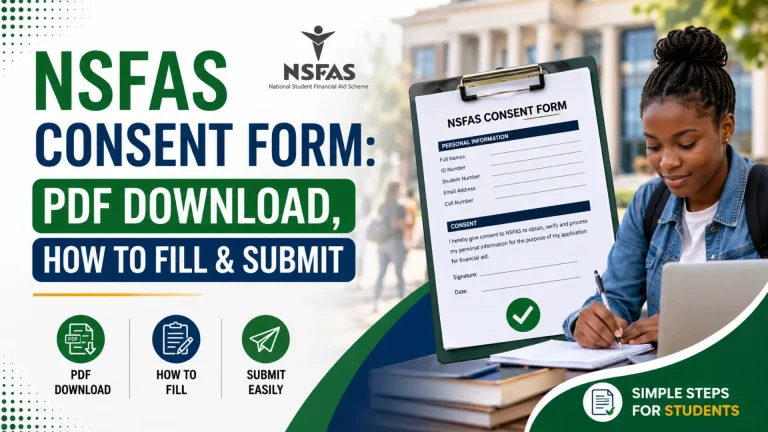
- NSFAS Consent Form
- NSFAS Declaration Form (where applicable)
- Certified copy of the guardian’s South African ID
- Proof of household income if requested
- Other supporting documents requested during your application
These documents allow NSFAS to verify financial information and confirm that the guardian accepts responsibility for the information provided in the application.
What Happens If You Do Not Have a Court Order?
Many students only realize they need legal guardianship after starting their NSFAS application. If this happens, do not panic. Begin the legal process as soon as possible by contacting your nearest Children’s Court or Department of Social Development office.
Depending on your circumstances, officials may advise whether a temporary guardianship agreement or another legal document can be accepted while your formal application is being processed. Requirements may vary depending on your case, so always follow the guidance provided by the relevant authorities and NSFAS.
How Long Does the Process Take?
The time needed to obtain a guardianship order varies. If court records already exist, obtaining a certified copy may only take a few days or weeks. New guardianship applications generally take longer because the court must review the case and issue a legal decision.
Because of these possible delays, students should never wait until the NSFAS application deadline. Starting the process early gives enough time to collect documents, correct any problems, and submit everything before applications close.
Common Mistakes When Submitting a Court Order for Guardianship NSFAS
Many application delays happen because students accidentally submit incomplete or incorrect documents. Avoiding these common mistakes can improve the chances of faster approval.
Some of the most common errors include:
- Uploading an unofficial letter instead of a court order.
- Submitting blurry or unreadable scans.
- Forgetting to upload every page of the court document.
- Leaving the Consent Form unsigned.
- Using outdated or expired documents.
- Waiting until the NSFAS deadline before starting the guardianship process.
- Assuming a family member automatically qualifies as a legal guardian without a court appointment.
Checking your documents carefully before submission can prevent unnecessary requests for additional information.
Frequently Asked Questions (FAQs)
Conclusion
A court order for guardianship NSFAS requires is one of the most important documents for students raised by non-biological parents. Obtaining the correct legal paperwork, uploading it properly, and submitting all required supporting documents will help prevent delays and improve your chances of receiving NSFAS funding on time. Starting the process early is the best way to ensure your application moves forward smoothly.